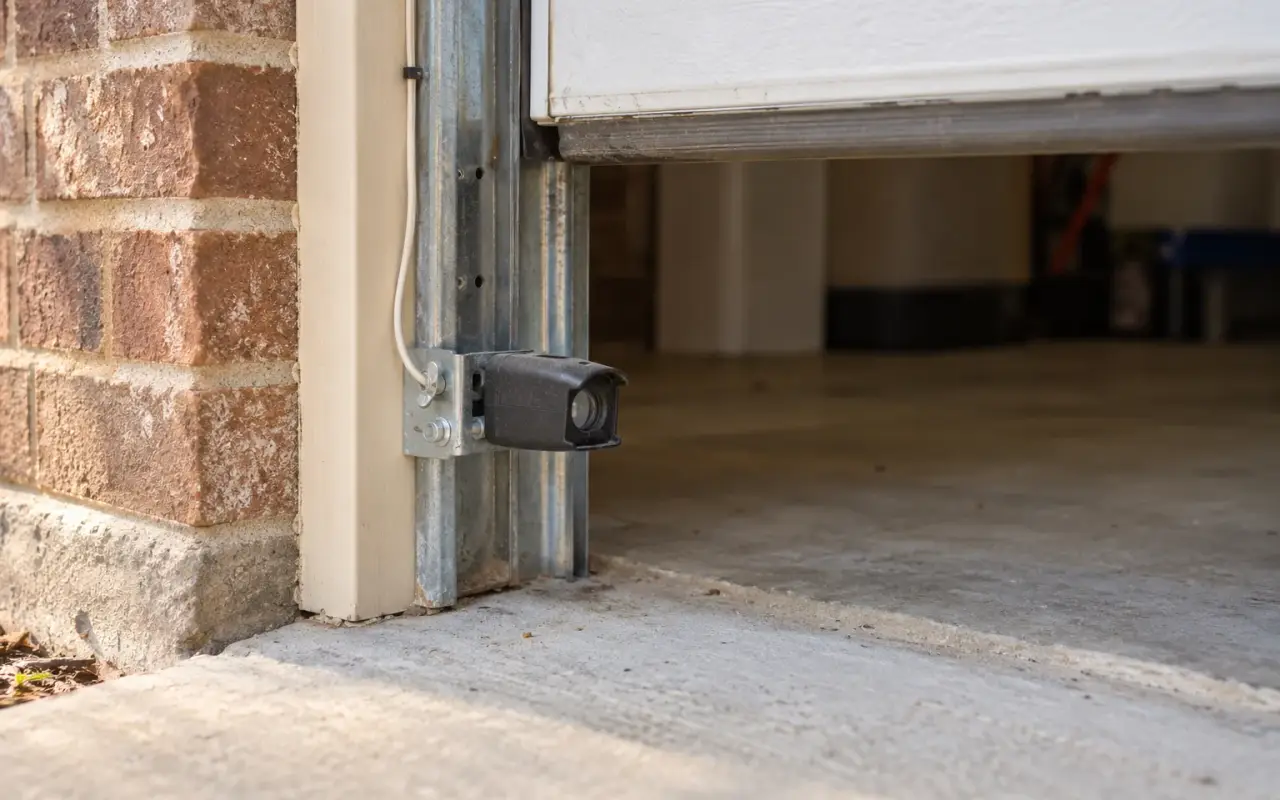
Every residential opener made for sale in the United States since January 1, 1993 must have a second layer of protection against closing on someone, beyond reversing on contact (16 CFR 1211.6). On most openers that layer is a pair of photo-eye sensors near the floor. If the beam between them is blocked, or the two no longer face each other, the door will not come down. Often that is the whole problem.
The sensors: yours to check
- Find them on each side of the opening. CPSC guidance puts an electric eye "at a height of 4 to 6 inches above the floor" (CPSC Pub. 523).
- Clear the path. A trash bin, a bicycle wheel, a leaf, a spider web.
- Wipe both lenses. Pollen and dust build up on them.
- Read the small lights. On many openers a steady light on each sensor means they see each other; off or blinking means they do not. The opener's maker walks owners through realigning a knocked sensor (Chamberlain support).
Closing it tonight
If the door closes only while you hold the wall button, the opener is acting as if the sensors are blocked. That can get the garage shut, but only with the door in sight all the way down and nobody crossing under it. The federal manual text says: "Always keep the moving door in sight and away from people and objects until it is completely closed." With the sensors out, the person holding the button takes their place: keep the door in sight until it is completely closed.
It touches the floor and goes back up
The federal rule requires a closing door to "initiate reversal of the door within 2 seconds of contact with the obstruction" (16 CFR 1211.7(b)(1)(i)). An opener that treats the floor as the obstruction has limit or force settings that no longer match the door. The manual explains the adjustment, and the same federal text adds: "After adjusting either the force or the limit of travel, retest the door opener." If it fails the reverse test after that, stop using it.
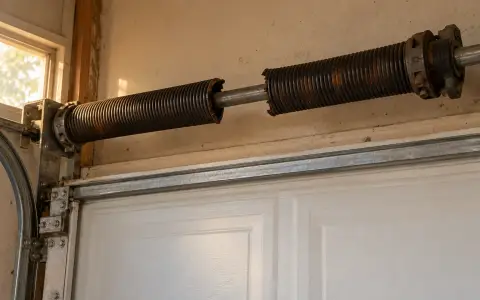
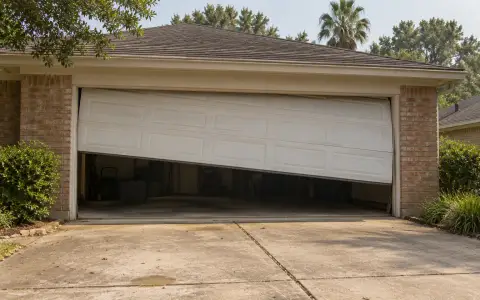
A door that also feels heavy or hangs unevenly has a bigger problem than settings: see broken spring and crooked or off track.
Do not bypass the sensors
Taping them together or unplugging one to get the door down removes the protection the rule requires. The fix is a working pair, lined up.
When to call
When the sensors are clean, lined up and steady and the door still refuses; when it reverses off the floor after adjustment; or when it moves unevenly, sounds wrong or stops partway.
Updated 2026-09-30.
 Windstorm inspection
 Broken spring
 Crooked or off track
 Won't open
 Opener repair
 Car hit the door
 Door replacement
 Before you call